


Finance & Governance
The Second Generation and the Price of Silence
The founder played offense. The second generation often plays defense so as "not to break it". Risk avoidance is the greatest risk to continuity.
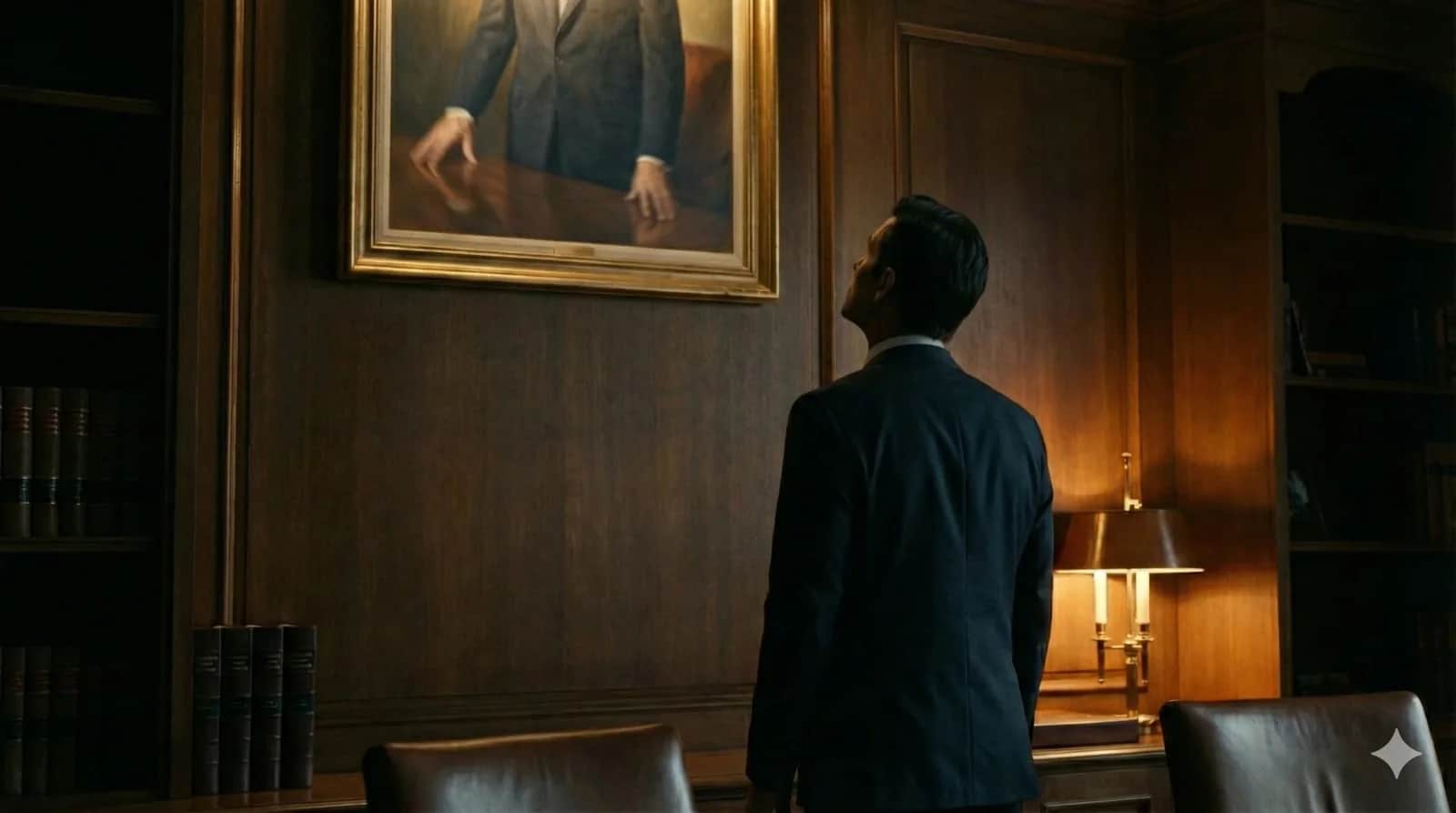
The fear of "not breaking it"
The fear of "not breaking it" is the anxiety that accompanies the second generation. The founder had nothing to lose, so they played everything for everything. You have everything to lose.
This fear turns dynamic people into anxious keepers. You stop taking the risks that built the business. Instead, you focus on not "cracking the vase". But businesses behave like sharks: if they stop moving, they die.
The innovation gap
Investment intensity in new capabilities by generation (illustrative model)
Source: ONISIS analysis, 2025
As the generations pass, investment in new capabilities declines. You are polishing the machine, while your competitors are buying new ones.
How do you know you are managing defensively?
From two symptoms. When was the last time you heard a new idea and said "yes, let's try it now"? When was the last time you walked into the office and thought "I am building the future, not just maintaining the past"?
If the answers make you uncomfortable, pay attention. The discomfort is your instinct waking up.
- The "boring" business. If you find the work boring, the business has not stabilized — it has stagnated. The owner's boredom is the first indicator of strategic stagnation.
- The worship of the past. If every decision is judged by the criterion "what would my father have done", you are looking backward. The market doesn't care about your history — it cares whether your product solves its problem today.
The re-founding protocol
Passivity is the rentier's privilege, not the owner's. To break the trap, you must mentally "re-found" the company. Three actions:
The blank-page test
If you were starting this company today, with the same money but zero history, would you build it this way? If the answer is no, change it. Stop funding structures that serve yesterday.
Professionalize the "no"
You find it hard to say "no" to relatives' bad ideas. Build an independent investment committee: let the technocrats cut the bad plans based on numbers, not sentiment.
Sacrifice a "sacred cow"
Find a process or a product that loses money but survives on sentiment. Cut it — publicly. It sends a message to the whole company: performance matters more than nostalgia.
When succession is done right
When the second generation does not inherit a role — it earns a seat. Family business succession is the transfer of the capacity to decide, not the transfer of property. The successor who manages by the father's criteria reproduces — they do not manage.
The difference is practical: succession is a process built every day — with decisions, not with feelings.
Start with one decision
Start with one decision: which "sacred cow" will you sacrifice this quarter? The legacy is built every day — it is not something you simply receive.
Succession in the family business starts there: a reading of where defense costs growth and which structure will let the next generation re-found.